
Mastering Low Light Photography: Essential Tips for Beginners

Low-light photography can be both challenging and rewarding. Whether you’re capturing a dimly lit interior, shooting under the moonlight, or attempting to freeze the beauty of a cityscape at dusk, the proper techniques can make a world of difference. This article explores some valuable low-light photography tips for beginners, helping you take your nighttime and low-light shots to the next level.

1. Use a Tripod for Stability

One of the biggest challenges in low light conditions is camera shake, leading to blurry images. Invest in a sturdy tripod to keep your camera steady during longer exposures.

2. Open Up Your Aperture

Wider apertures (lower f-numbers) allow more light to enter your camera’s sensor, making them ideal for low-light situations. Experiment with settings like f/1.8 or f/2.8 to maximize the available light and achieve a beautiful background blur (bokeh) effect.

3. Adjust Your ISO Settings

Increasing your camera’s ISO sensitivity can brighten your photos in low light, but it comes at a cost: increased noise. Find a balance by using the lowest ISO setting possible while still maintaining a properly exposed image.

4. Slow Down Your Shutter Speed

In low light, your camera needs more time to collect light, so slow down your shutter speed. However, be cautious not to go too slow, as this can introduce motion blur.

5. Experiment with White Balance

Different light sources in low light environments can cast various colors on your images. Adjust your camera’s white balance settings or experiment with custom white balance to achieve accurate and pleasing color tones.

Conclusion

Low light photography can be a challenging yet highly rewarding genre. By investing in a tripod, understanding aperture, ISO, and shutter speed, and experimenting with white balance, beginners can capture stunning low light images.

The Beauty of Still Photography

The Beauty of Still Photography celebrates the profound artistry and enchantment of capturing moments frozen in time. Through the lens of a skilled photographer, the world transforms into a vast canvas where fleeting expressions, breathtaking landscapes, and intricate details are immortalized. This captivating form of visual storytelling allows us to appreciate the intricate beauty surrounding us, whether it be the gentle touch of sunlight on a dewdrop or the raw emotion captured in a subject’s eyes. Here are three sample subjects that exemplify the beauty of still Photography:

Whispers of Nature

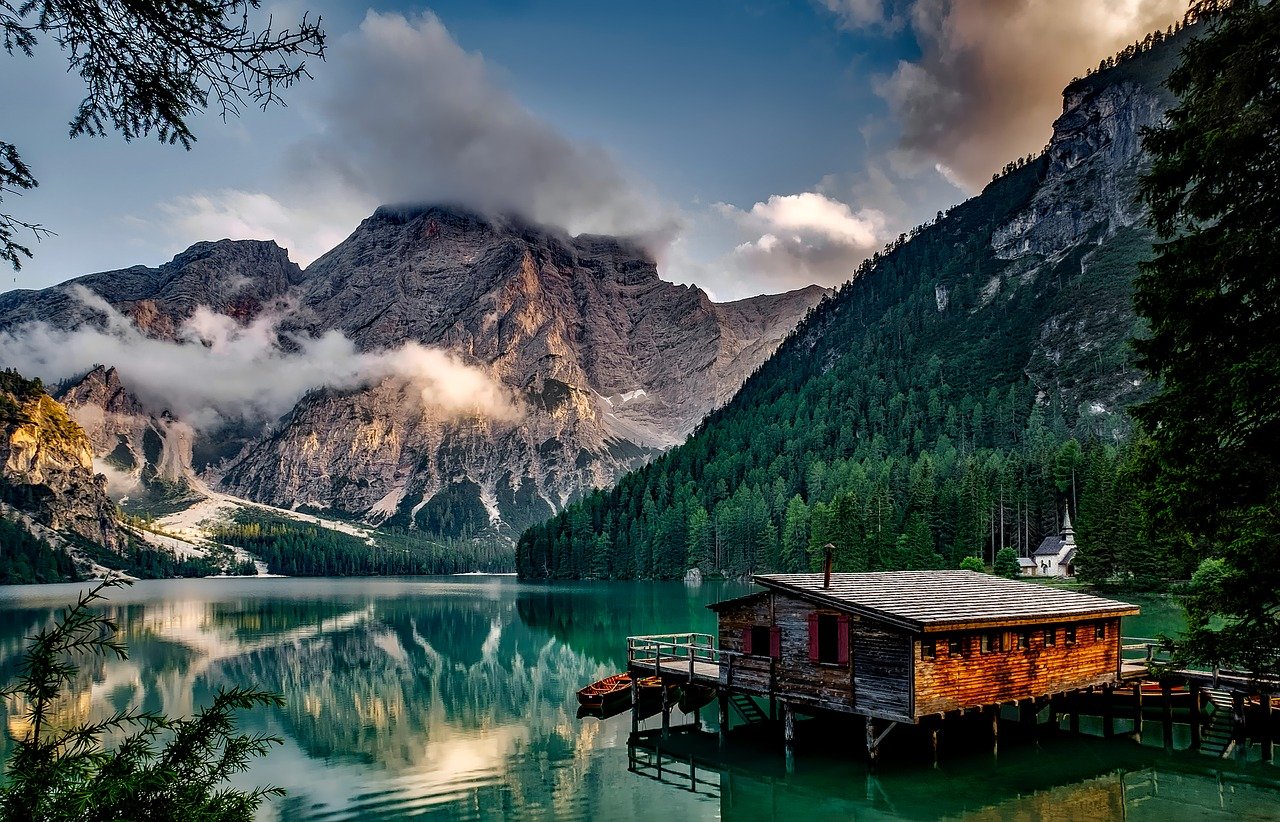
Through still Photography, witness the ethereal beauty of untouched landscapes. From majestic mountains and serene forests to delicate flowers and cascading waterfalls, these photographs capture the essence of nature’s grandeur.

The Human Connection

Explore the beauty of still Photography in capturing human emotions, connections, and stories. These images freeze moments of joy, love, vulnerability, and contemplation. Whether it’s a candid portrait, a street scene, or a tender interaction, these photographs evoke empathy, understanding, and a deeper appreciation for the rich tapestry of human experiences.

Intricate Details

This collection of still photographs zooms in on the intricate and often overlooked details of everyday life. From the delicate patterns on a butterfly’s wings to the textures of weathered architecture, these images reveal the beauty and complexity present in the smallest corners of our world.

The Impact of Photography on Social Change

Photography is a powerful tool to inspire, educate, and spark social change. Throughout history, photographers have captured images that have shed light on social issues, challenged stereotypes, and given a voice to marginalized communities. Photography has played an essential role in molding public opinion and promoting social change, from the famous photos of the Civil Rights Movement to the powerful images of Syrian refugees fleeing their war-torn country.

Impact of Photography on Social Change

The impacts of photography on social change are far-reaching in many different areas. 

Documenting History

Photographs provide a visual record of important social movements and events, creating a legacy for future generations. For example, the pictures of the Civil Rights Movement have become an essential part of our collective memory and a symbol of the struggle for justice and equality.

Inspiring Change

Photography can inspire activism and advocacy, leading to policy changes and greater awareness of social issues. Powerful images can motivate people to get involved and make a difference, creating a groundswell of support for social change.

Challenging Stereotypes

Photography can challenge stereotypes and promote a more accurate understanding of diverse communities by capturing images that showcase the diversity of the human experience. Photographers can break down barriers and encourage learning.


Developing a Unique Style and Vision in Photography

Developing a unique style and vision in photography is a journey that takes time, effort, and experimentation. It involves exploring your personal interests, influences, and motivations. Using these as the foundation for your photographic style. Some photographers find inspiration in nature, while others are drawn to urban landscapes, people, or abstract forms. Whatever your interest may be, it’s important to cultivate a sense of curiosity and open-mindedness when it comes to exploring the world around you.

Different Styles of Photography

Here are some of the most common styles of photography:

Portrait Photography

Focused on capturing the essence of a person or group of people.

Landscape Photography

Capturing the beauty of the natural world, such as mountains, forests, and oceans.

Street Photography

Capturing candid moments of everyday life in public spaces.

Fine Art Photography

Focused on creating aesthetically pleasing images with a high degree of creativity and artistic expression.

Documentary Photography

Telling a story through a series of images, often with a journalistic or social purpose.

Conclusion

In conclusion, photography is a versatile medium that offers endless creative possibilities. Developing a unique style and vision in photography requires dedication, experimentation, and a willingness to learn from the work of others.


Advice for New Photographers in the Year 2023

Quick and simple advice on photography basics, including composition, creativity, and more. You may expect them to be of great use to you while you study photography.

Practical Advice for New Photographers

Focus on Your Structure

Taking interesting photographs requires you to be actively involved in the process. Don’t coast along without doing anything. In its place, you should give some attention to your composition in order to produce the best images you can.

Highlights Should Not be Overexposed

Overexposing highlights together in the shot is a common mistake when choosing camera settings. Reason why? There’s no way to get any information back from a photo’s white portions.

Have Patience

If you aren’t cautious, you may easily mess up a picture shoot. While learning photography, taking your time and relaxing is essential.

Recognize the Need for a Flash

The use of flashes is not limited to low-light conditions. Don’t get me wrong, they’re fantastic for providing supplementary illumination. You need to utilize an external flash, point it up, and use a long lens to get the best results (50mm or longer). Photos from this event will blow everyone’s mind. It’s the simplest approach to get outcomes when you don’t have much expertise.

Incredible Photographic Compositional Methods

Simply expressed, the composition of a photograph refers to the arrangement of the elements within the frame. It all comes down to composition, specifically where they are positioned in the camera and how they relate to the surrounding elements.

Provide Clearance for Moving Objects

When taking pictures of people, aircraft, trains, or vehicles in motion, it’s best to frame the shot such that they’re headed somewhere. When an object disappears out of view, it begs the question, “Where did it go?” By arranging a shot so that its subject moves into the frame, the photographer is able to convey action and narrative.

Shots in a Frame

Photos with frames have more impact and tell a more compelling tale. The view from a lighthouse’s observation deck or through the gaps in a forest’s towering trees conveys more than merely the scene outside the window. Garden arches frame picturesque flower beds, and magnificent brick gates, frame the view of a faraway home.

Summary

Learning how to compose photographs is an activity in itself. These suggestions and methods are just the beginning. There is more to learn and consider, but you should now have a good grasp of the essentials. Mastery of any creative form requires extensive practice.